French Quarter
Ward 1District C
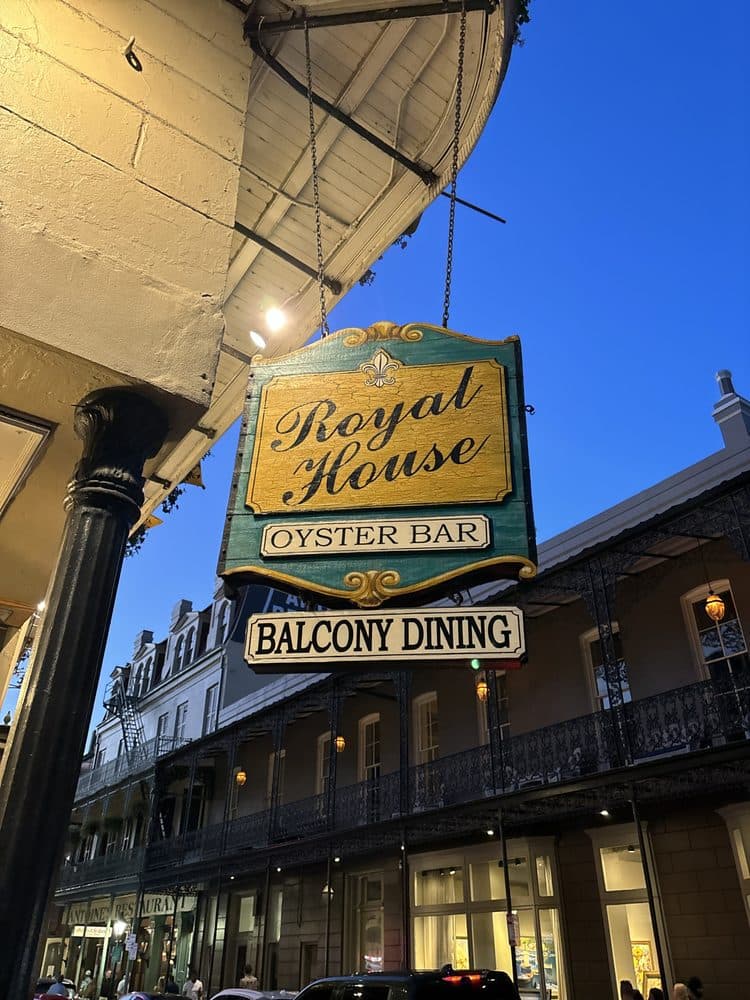
The historic heart of New Orleans, known for its vibrant nightlife and colonial architecture.
Origin
Named for the French who originally settled and developed it.
Discover New Orleans through its history, culture, and cuisine.
New Orleans is a city bursting with life – from its distinctive cuisine to its legendary music; it's got a 'lil something for everyone.
Known for its historic French Quarter, Mardi Gras festivities, and soulful jazz, the city offers old-world charm and unforgettable experiences that will resonate long after you visit.
So, as they say in New Orleans, laissez le bon temps rouler – or, let the good times roll.
This guide aims to help you navigate the distinct character of New Orleans by providing essential information that might otherwise be overlooked. As a longtime resident, I'm sharing only information that I think would be helpful for newcomers.
Let's start with a brief history.
New Orleans was established by the French in 1718 (by Jean Baptiste Le Moyne de Bienville) and remained under French control until 1763.
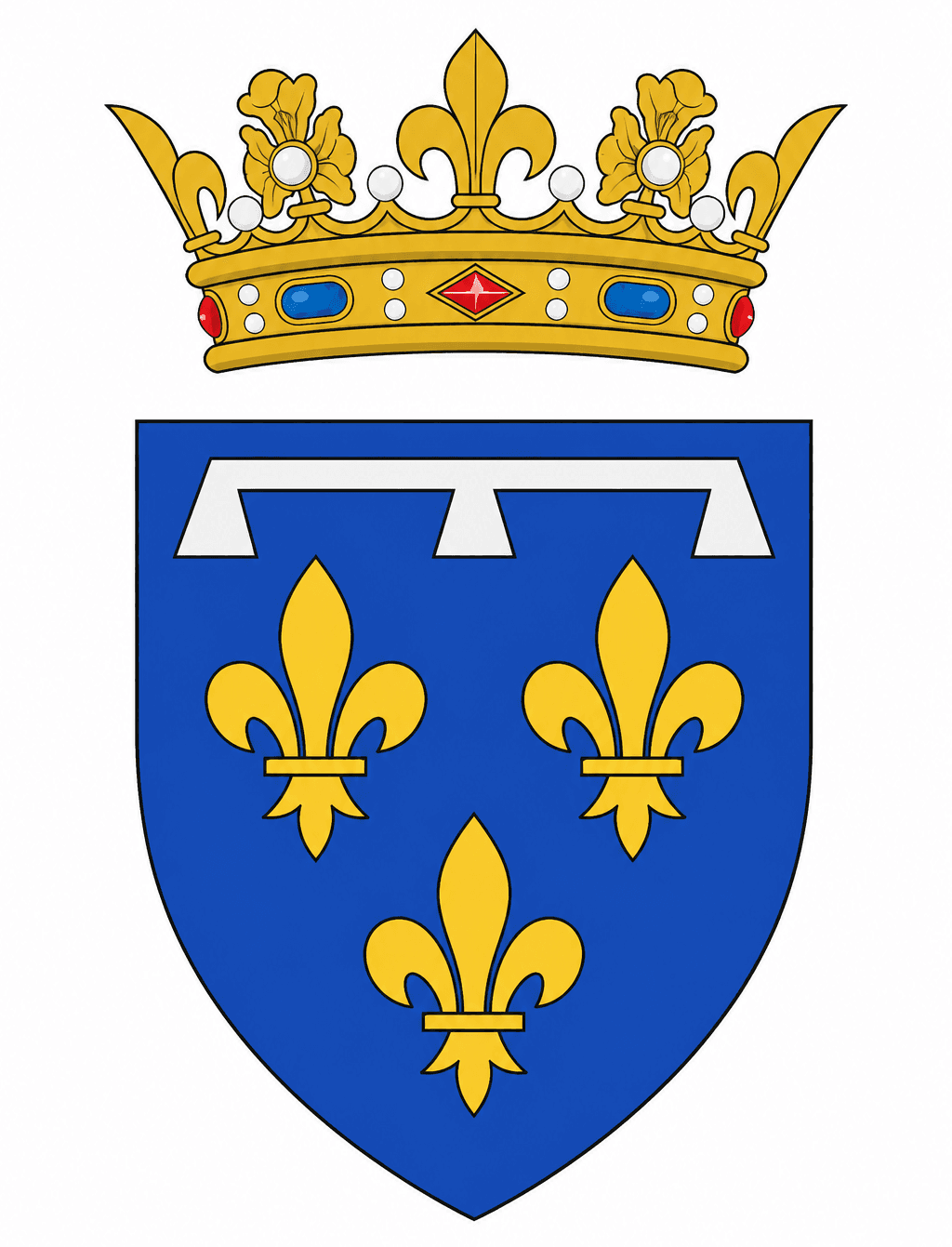
When New Orleans was founded, Louis XV, who was only eight years old at the time, was the king of France. This meant that actual governance was in the hands of his regent, Philippe II, Duke of Orléans.
The Duke was a prominent member of the House of Bourbon, a major royal family that significantly shaped French and European history.
In recognition of the Duke's influence and to honor him, New Orleans was named after him. This connection also extends to the famous Bourbon Street, which echoes the legacy of the Bourbon family in the city's French colonial heritage.
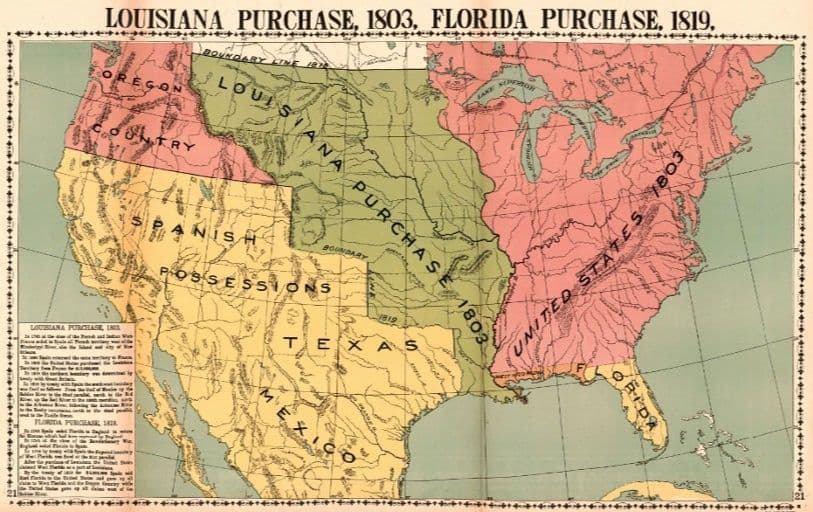
In 1763, after France was defeated by Great Britain and its allies in the Seven Years' War (1756-1763), a significant part of which included the North American theater known as the French and Indian War, France had to give up several territories.
As part of the peace negotiations, France ceded New Orleans and the rest of Louisiana to Spain.
This transfer was a strategic move: since Spain had entered the war as a late ally of France and lost its own territory of Florida to Britain, France compensated Spain by giving them Louisiana. This helped France maintain its alliance with Spain against Britain.
The city stayed under Spanish rule until 1800, when Spain secretly agreed to return New Orleans to France through the Treaty of San Ildefonso, hoping to gain favor with the French government. This transfer was kept a secret until it was publicly disclosed in 1802.
This period of Spanish rule, combined with its foundational French heritage, is why New Orleans boasts a rich blend of both Spanish and French influences, evident in its architecture, cuisine, and cultural traditions.
However, France's control over New Orleans was short-lived.
In 1803, Napoleon Bonaparte, then the leader of France, sold Louisiana for $15 million ($415 million in 2024) – which included New Orleans – to the United States in what is known as the Louisiana Purchase.
New Orleans was once a city divided into 17 political partitions, or wards, each of which was further divided into precincts. Each ward elected an alderman who represented the interests of that specific area on the city council.
I mention these seemingly mundane facts because these old administrative divisions continue to play a role in the city's modern's character.
How?
Well, many residents (still, today) identify by ward, reflecting a deep connection to their specific area of the city. Each ward has its own unique character and cultural significance, embodying a strong sense of community and local pride.
If you spend time in the city, you'll almost certainly hear this word "ward" – so, now you'll know what it means and how it's connected to New Orleans.
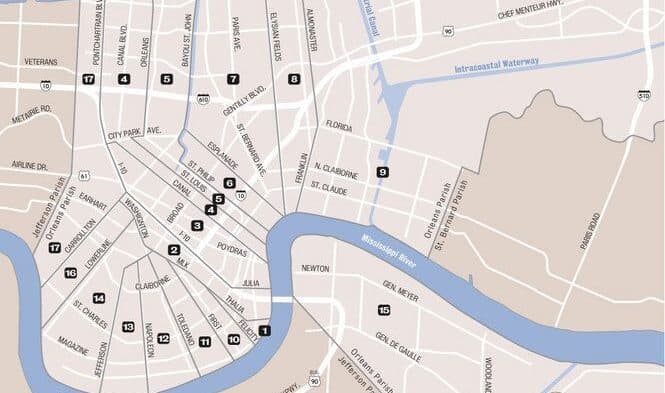
New Orleans transitioned from wards to districts in the early-20th century – to be specific, 1912 was the last election based on wards.
This shift provided better representation by dividing the city into more equally populated sections.
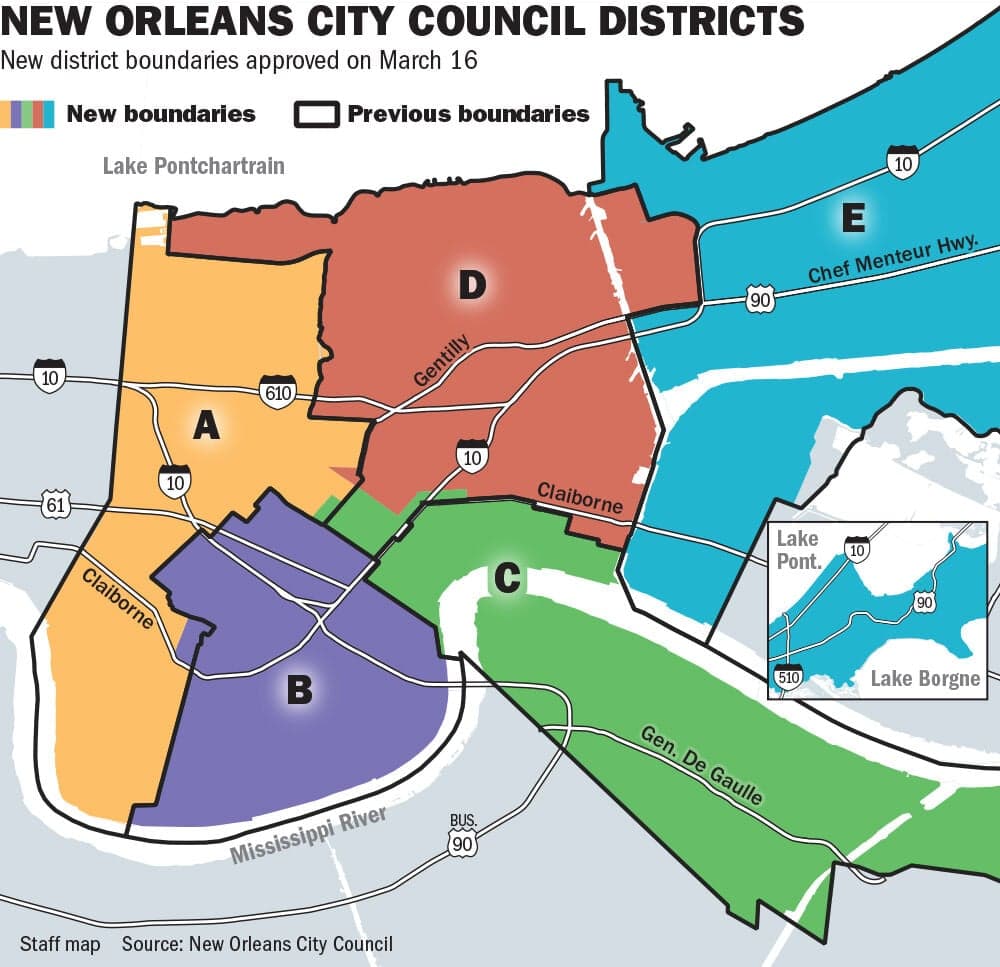
Today, New Orleans is governed by a mayor and a city council comprising seven members.
Five of these council members represent specific council districts, while two are elected at large.
The districts are designated as follows:
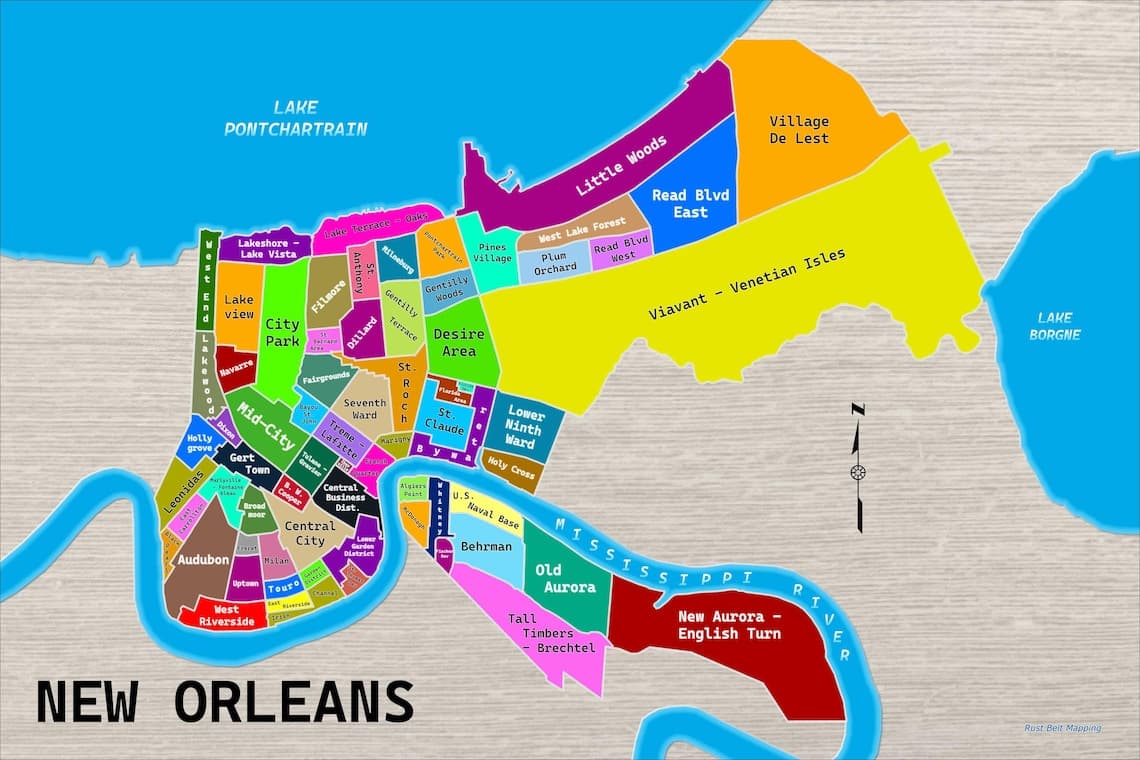
The historic heart of New Orleans, known for its vibrant nightlife and colonial architecture.
Named for the French who originally settled and developed it.
Famous for its well-preserved antebellum mansions and lush gardens, established in the 1830s.
Named for the luxurious gardens found in its large estates.
Known for its bohemian atmosphere and live music scenes, laid out in the early 19th century.
Named after Bernard Marigny, a notable local developer.
One of the oldest African American neighborhoods in the U.S., famous for its musical heritage.
Named after Claude Tremé, who owned the land in the 18th century.
A vibrant arts community along the Mississippi River, known for its quirky vibe.
Named for its location by the water of the Mississippi River.
Known for its historic sites and ferry service across the Mississippi, established in 1719.
Named after Algiers, a city on the opposite side of the Mediterranean from France.
Characterized by historic homes, trendy shops, and St. Charles Avenue, developed in the 1800s.
Named for its location 'up' the Mississippi River from the older parts of the city.
Known for its diverse communities and as the site of the New Orleans Jazz & Heritage Festival.
Named for its central location in the heart of New Orleans.
Heavily impacted by Hurricane Katrina, known for its resilience and community spirit.
Named for its position as the downriver end of the Ninth Ward.
The business hub of the city, featuring high-rises and professional services.
Short for Central Business District, describing its function.
Known for contemporary art galleries and vibrant arts scene, revitalized in the late 20th century.
Named for its concentration of arts institutions and galleries.
Originally a separate town, known for its oak-lined streets and laid-back atmosphere.
Named after William Carroll, who was governor of Louisiana.
Residential area rebuilt after Hurricane Katrina, known for its proximity to Lake Pontchartrain.
Named for its views and access to Lake Pontchartrain.
A diverse residential neighborhood, known for its jazz clubs and middle-class character.
Possibly from the French 'gentil,' meaning gentle or noble, reflecting its laid-back character.
A large area known for suburban-style living and newer developments, developed in the 1960s.
Named for its geographic location in the eastern part of the city.
Known for its cultural diversity and historical industrial activities.
Named for its position as the upriver portion of the Ninth Ward.
Known for historic homes along Esplanade Avenue, with a rich cultural and architectural history.
Named after Esplanade Avenue, which runs through it.
Similar charm to the Garden District but with a more eclectic and accessible vibe.
Named for being geographically lower than the Garden District.
Historically Irish immigrant community, now known for its small homes and lively pubs.
Named for the large number of Irish immigrants who settled there in the 19th century.
Renowned for its converted warehouses now housing restaurants, shops, and lofts.
Named for its original use as an industrial and warehouse area.
Known for its raised bungalow homes and community-led revitalization post-Katrina.
Possibly named for its wide, 'broad' avenues.
Known for upscale homes and proximity to universities and cultural institutions.
Named for its location near Lake Pontchartrain and surrounded by oak trees.
Known for its namesake waterway and historic, scenic beauty.
Named after the bayou that runs through it, which was named for Saint John.
Similar charm to the Garden District but with a more eclectic and accessible vibe.
Named for being geographically lower than the Garden District.
Y'at, Uptown, Creole – hear how the city actually sounds.
A few words and phrases you're almost guaranteed to hear – and what they actually mean.
Birthplace of jazz, a genre that started in the late 19th and early 20th centuries from the city's diverse musical culture.
Often considered the oldest known American cocktail, originated in New Orleans in the 1800s.
A famous dish that combines French, Spanish, West African, and Native American influences.
A traditional sandwich typically filled with roast beef or fried seafood.
Hosts one of the world's most famous Mardi Gras celebrations with elaborate parades and masquerade balls.
Known for its historic buildings with balconies adorned with intricate ironwork, and streets lined with bars and restaurants, showcasing the city's French and Spanish heritage.
Legendary jazz musician known for his profound impact on the jazz genre.
Author best known for her series of novels, 'The Vampire Chronicles'.
Famously known for his alliance with General Andrew Jackson during the Battle of New Orleans in 1815, where his pirate crew was instrumental in securing a crucial victory against the British in the War of 1812.
Influential rapper, singer, and songwriter, known for his successful music career.
Comedian, television host, actress, and writer who gained fame with her sitcom 'Ellen' and later the talk show 'The Ellen DeGeneres Show'.
Singer, pianist, and actor, well known for his jazz and pop performances.
Renowned NFL quarterback who spent the majority of his career with the Indianapolis Colts and Denver Broncos.
Filmmaker, playwright, and actor known for creating and portraying the character Madea.
Saxophonist, composer, and bandleader, part of the Marsalis family of jazz musicians.
Musician and producer known for his work in jazz, funk, and rap music.
The city's famous Carnival season culminates on Fat Tuesday with parades, masquerade balls, and street parties.
Tennessee Williams, renowned for his play "A Streetcar Named Desire," considered New Orleans his "spiritual home" and used it as the backdrop for many of his works. The annual Tennessee Williams Literary Festival in New Orleans celebrates this deep connection by featuring readings, workshops, and the distinctive "Stella" shouting contest.
A large free outdoor event celebrating New Orleans' unique heritage and culture with music, food, and special events throughout the French Quarter.
Celebrates the indigenous music and culture of New Orleans and Louisiana.
A community music festival on the banks of Bayou St. John, featuring local music, food vendors, and artisans. Since it's inception in 2006, the event draws approximately 35,000 people.
Showcases local food and international wines, featuring tastings, dinners, and competitions.
Celebrates the local delicacy with contests, live music, and lots of oyster dishes.
Celebrates Louisiana's Creole tomato at the French Market with food, music, and activities.
Features major R&B, jazz, gospel, hip-hop, and blues acts, along with seminars on various topics.
A local twist on Pamplona's event, featuring roller derby athletes as bulls.
Dedicated to the life, legacy, and music of Louis 'Satchmo' Armstrong.
Known as 'Gay Mardi Gras,' it features parades, street parties, and costume contests.
Showcases a diverse range of films and has become a premier event in the independent film community.
A multi-day music and arts festival featuring national and international artists.
The city celebrates with haunted houses, costume balls, and parades, notably in the French Quarter.
A festive holiday lights display in City Park, featuring thousands of colorful lights and illuminated outdoor displays.
Mardi Gras, or Fat Tuesday, is the climax of the Carnival season which starts on Epiphany (January 6th) and ends the day before Ash Wednesday. This period, deeply rooted in Christian traditions, involves festivities such as parades, masquerades, and balls, and ends with a day of indulgence in food and celebration before the solemn Lenten season of fasting and penance begins.
Originally a part of ancient Roman pagan rites, Mardi Gras was assimilated into the Christian calendar as a prelude to Lent, blending local pagan customs with Christian practices. The name "Mardi Gras" means "Fat Tuesday" in French, highlighting the tradition of eating rich, fatty foods before the Lenten fasting period.
The festival is most famously observed in New Orleans, where it was introduced by French colonizers in the late 17th century. Over the centuries, it has evolved into a grand event featuring street parties, elaborate floats, and masked balls. Mardi Gras in New Orleans is not only a major cultural festivity but also a significant tourist attraction, marked by vibrant parades organized by various "krewes," each adding unique themes and traditions to the celebration.
Today, while Mardi Gras has become a significant cultural event in various parts of the world, including Brazil and Italy, it retains its original blend of European medieval festivity and religious observance, symbolizing the end of winter and the forthcoming period of spiritual reflection leading up to Easter.
Founded in 1872, Rex is known as the 'King of Carnival' and is responsible for selecting the official Mardi Gras colors and the theme of the parade each year.
Established in 1909, Zulu is famous for its unique and highly sought-after coconut throws and is one of the most anticipated parades, known for its rich African American heritage.
Founded by Harry Connick Jr. in 1993, Orpheus is known for its musical heritage and impressive floats like the Smokey Mary.
Bacchus, started in 1968, revolutionized Carnival with its celebrity kings and large, animated super floats, making it a highlight of the season.
Founded in 1967, Endymion is one of the super krewes known for its spectacular floats and celebrity grand marshals, culminating in a massive Extravaganza in the Superdome.
Started in 2000, Muses is an all-female krewe famous for their hand-decorated shoes and strong community involvement.
If you're short on time, or just want a popular, tried and true eatery, you can't go wrong with any of the ones appearing below.
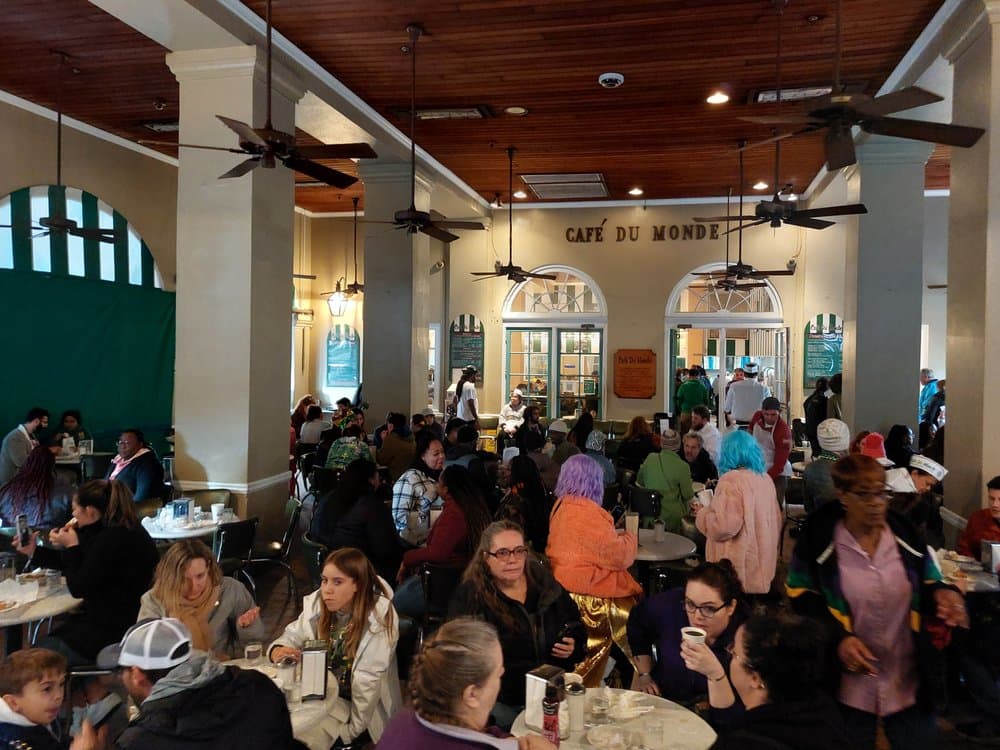
Renowned for its beignets and chicory coffee, offering a classic French Quarter experience.
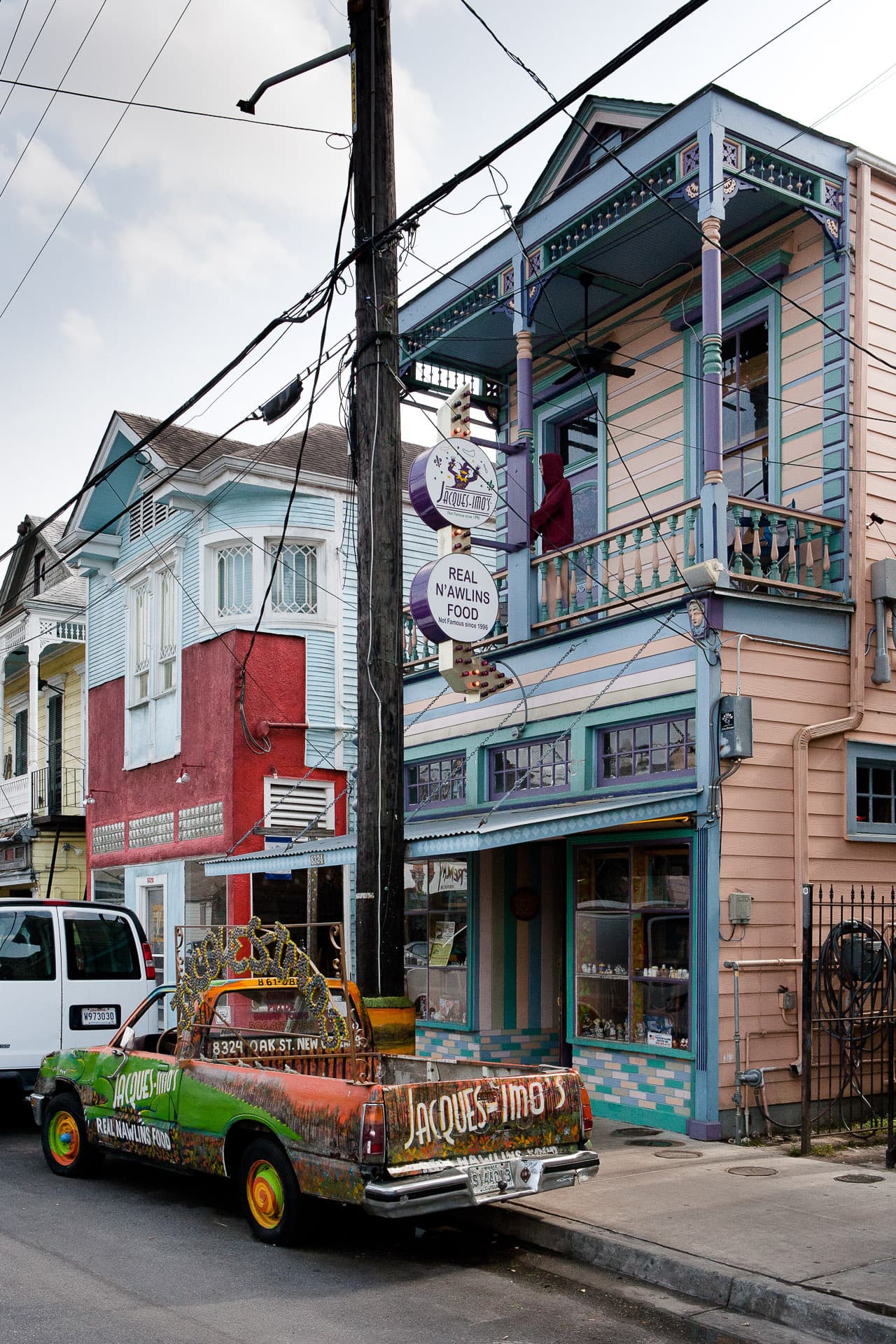 photo: democratictravelers.com
Renowned for its quirky and eclectic vibe, famously requiring patrons to walk through the kitchen to reach the dining area—a unique feature that offers a sneak peek into the culinary action and adds to the restaurant's intimate and funky charm.
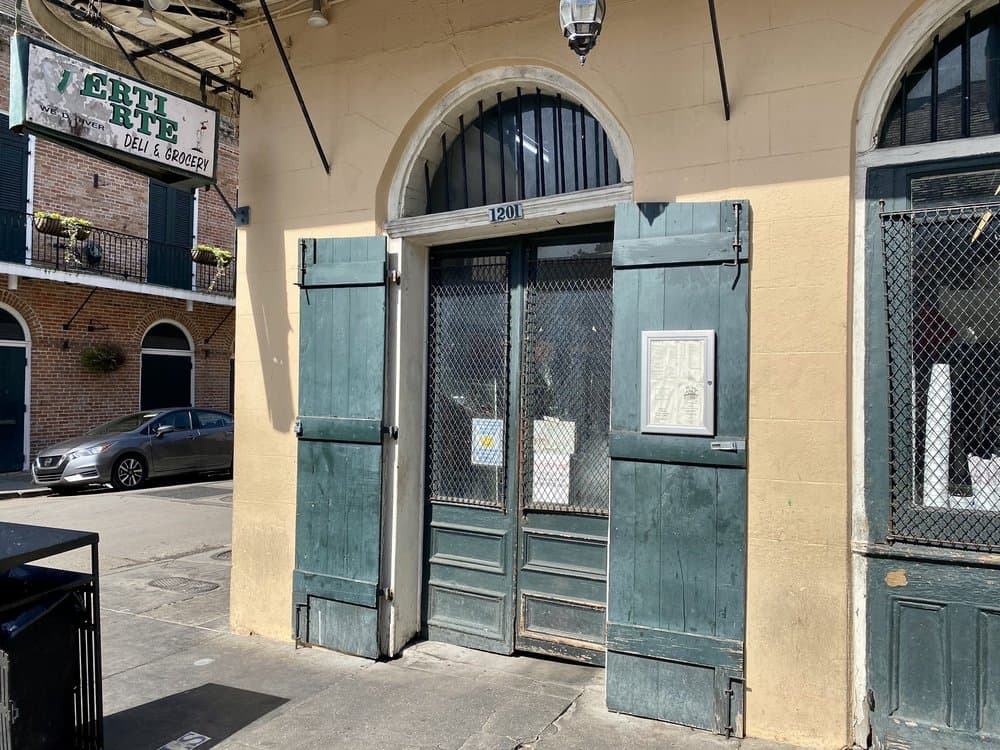
Verti Marte is a bustling convenience store tucked away in the residential area of the New Orleans French Quarter, doubling as a deli known for its legendary sandwiches like the "All That Jazz." Unique for its narrow aisles packed with an eclectic mix of grocery and snack items, the store offers no seating but serves up unforgettable culinary delights 24/7, making it a must-visit for hearty, local flavors.
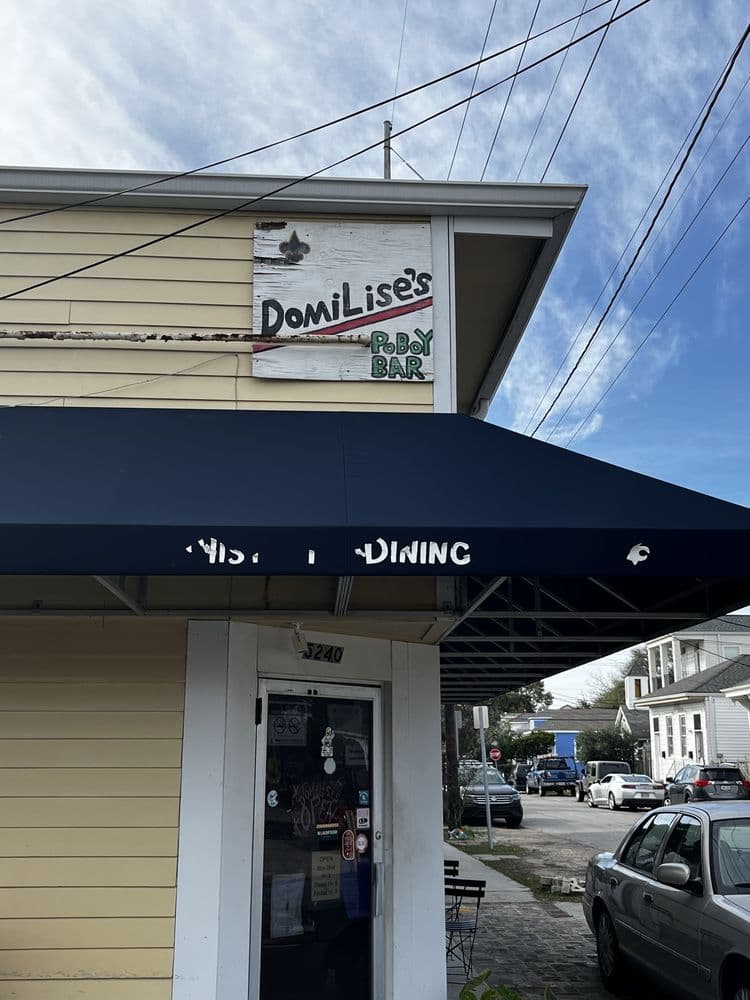
Domilise's Po-Boys & Bar, nestled in a modest residential neighborhood of New Orleans, is a beloved local treasure famed for its authentic and delectable Po-boys, particularly the shrimp and half-and-half seafood varieties. This no-frills joint, frequently featured on food networks and cherished for its old-school charm, offers a quintessential New Orleans dining experience with its fresh, crispy French bread and perfectly seasoned fried seafood.
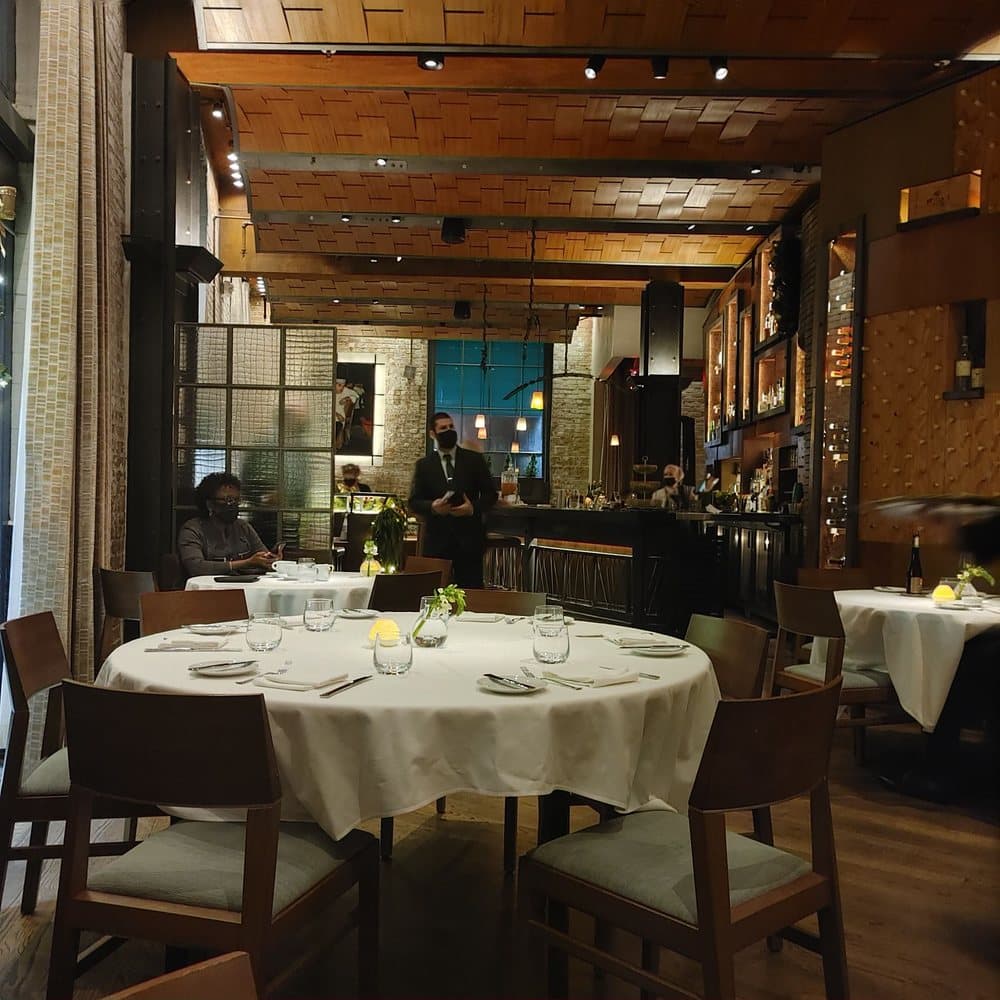
Emeril's in New Orleans stands out for its personal touch and local flair, offering an intimate peek into the culinary process with its open kitchen design. This establishment is celebrated for not only its high-quality Southern-inspired dishes but also for a service style that's warm and genuinely welcoming, making each visit feel like a special occasion.
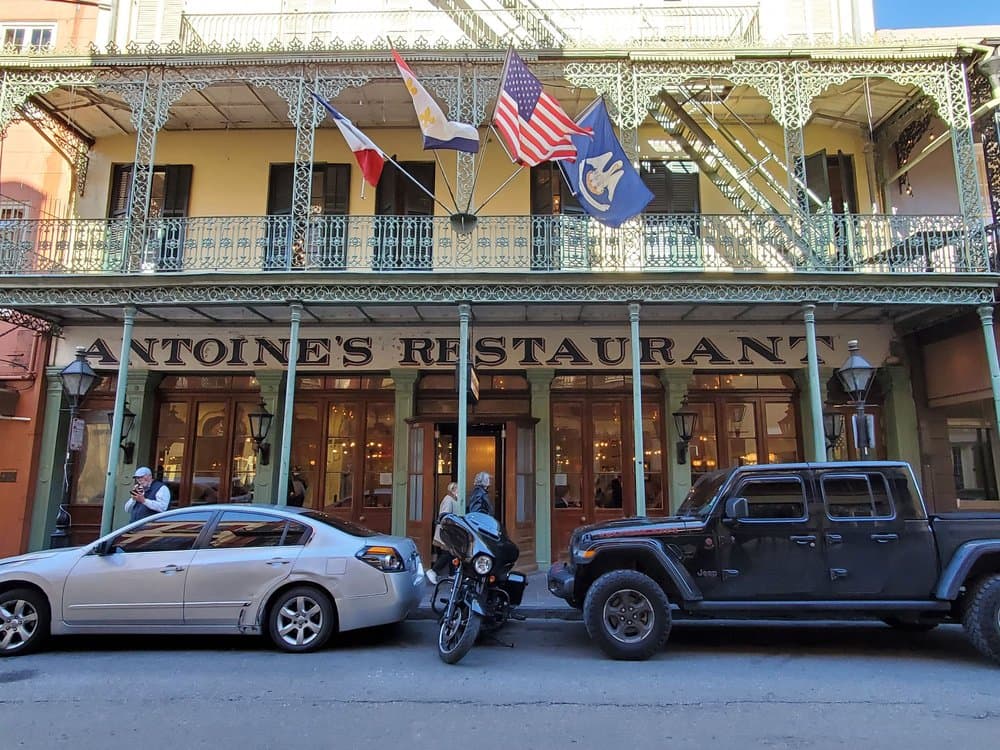
Antoine's Restaurant in New Orleans, established in 1840, is the oldest family-run restaurant in the United States, renowned for inventing the famous Oysters Rockefeller. The restaurant boasts a rich history and offers a classic French Creole dining experience in its numerous uniquely themed dining rooms.
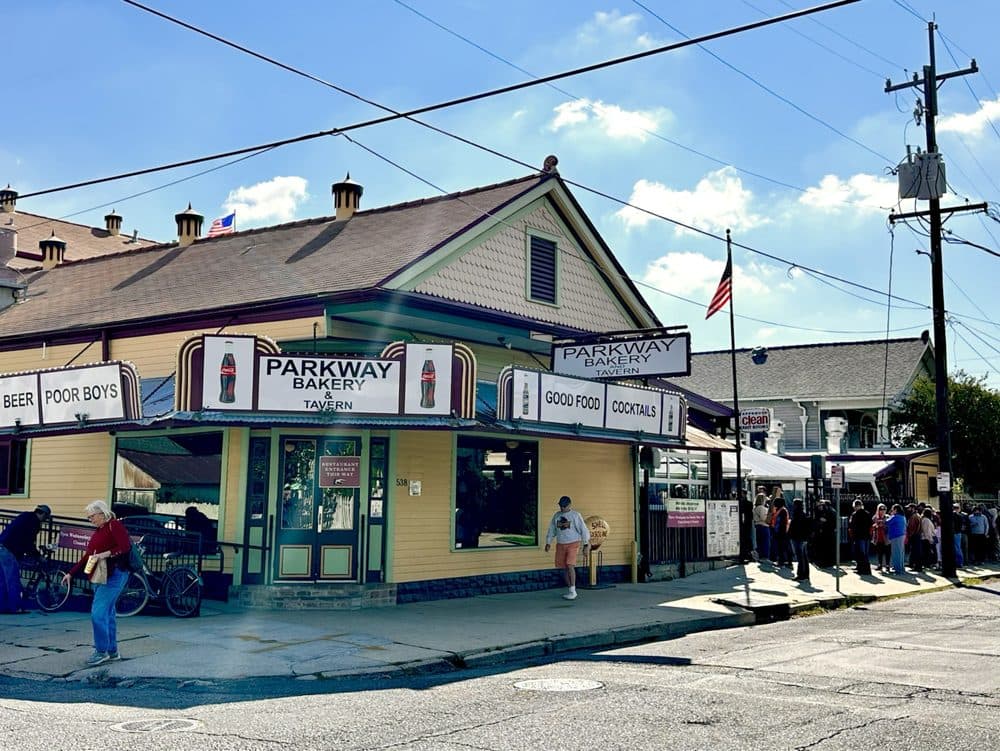
Parkway Bakery & Tavern is a beloved New Orleans staple, celebrated for crafting arguably the best po-boys in the city with fresh, local ingredients and traditional techniques. The tavern not only charms with its delicious sandwiches but also impresses with an efficient service model that keeps even the longest lines moving quickly.
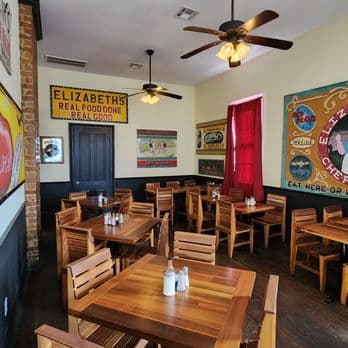
Elizabeth's Restaurant in New Orleans stands out with its laid-back ambiance and eclectic decor that encapsulates the vibrant Bywater neighborhood's spirit. Unique to Elizabeth's is their inventive menu, which features local delights like praline bacon and fried callas, a traditional New Orleans treat, alongside creative offerings like the French toast burrito.
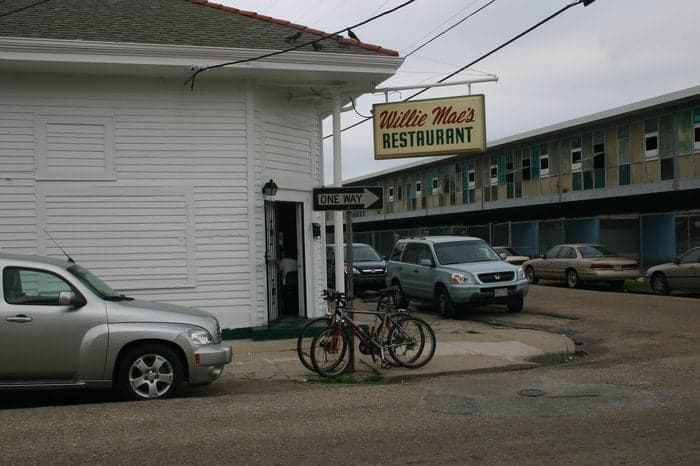
Willie Mae's Scotch House in New Orleans is a modest yet iconic eatery nestled in a residential area, surprising first-time visitors with its unassuming location. Known for its award-winning fried chicken, the restaurant is a culinary landmark that carries the charm of a homey, welcoming atmosphere, often marked by long lines of eager diners.
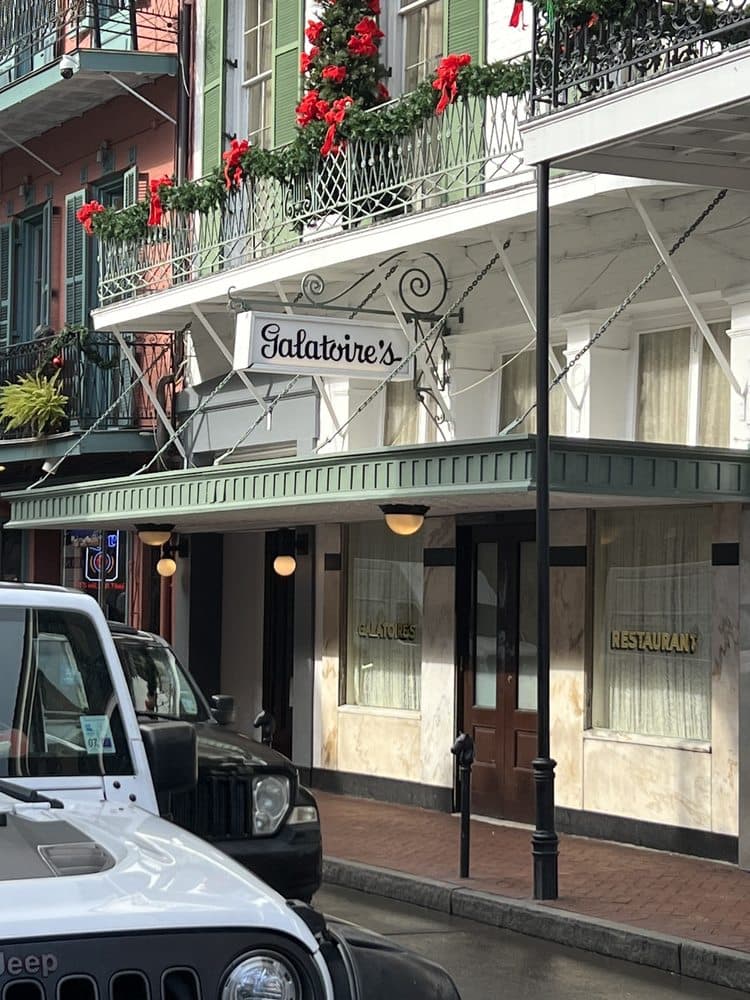
Offers a classic New Orleans dining experience with a variety of dishes.
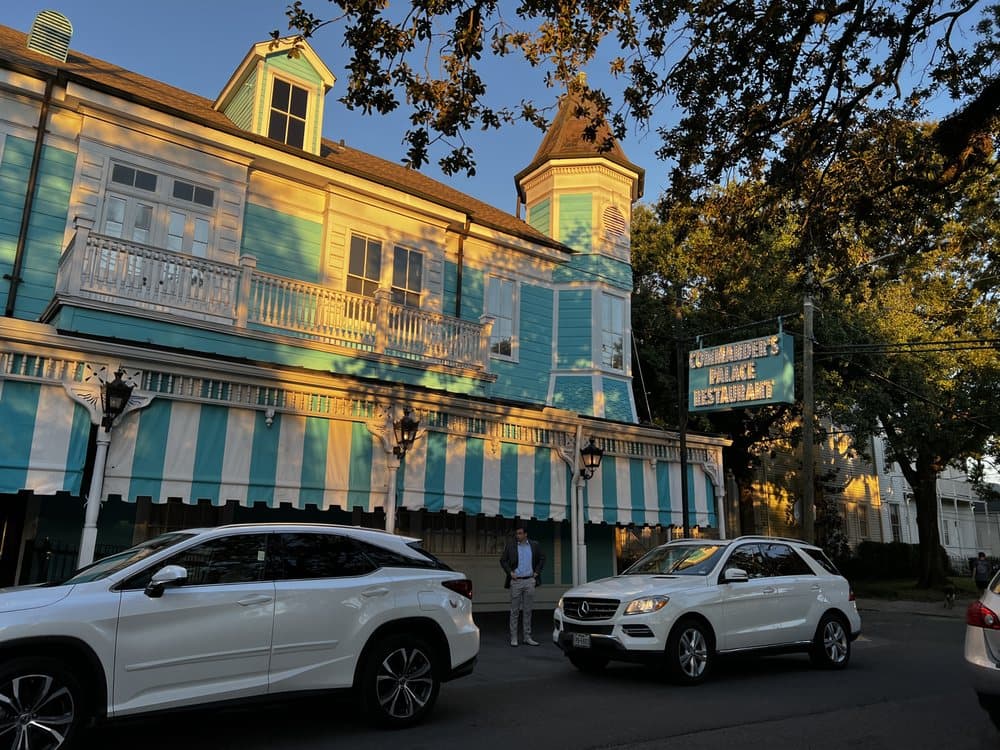
An iconic restaurant in the Garden District offering a variety of dishes.
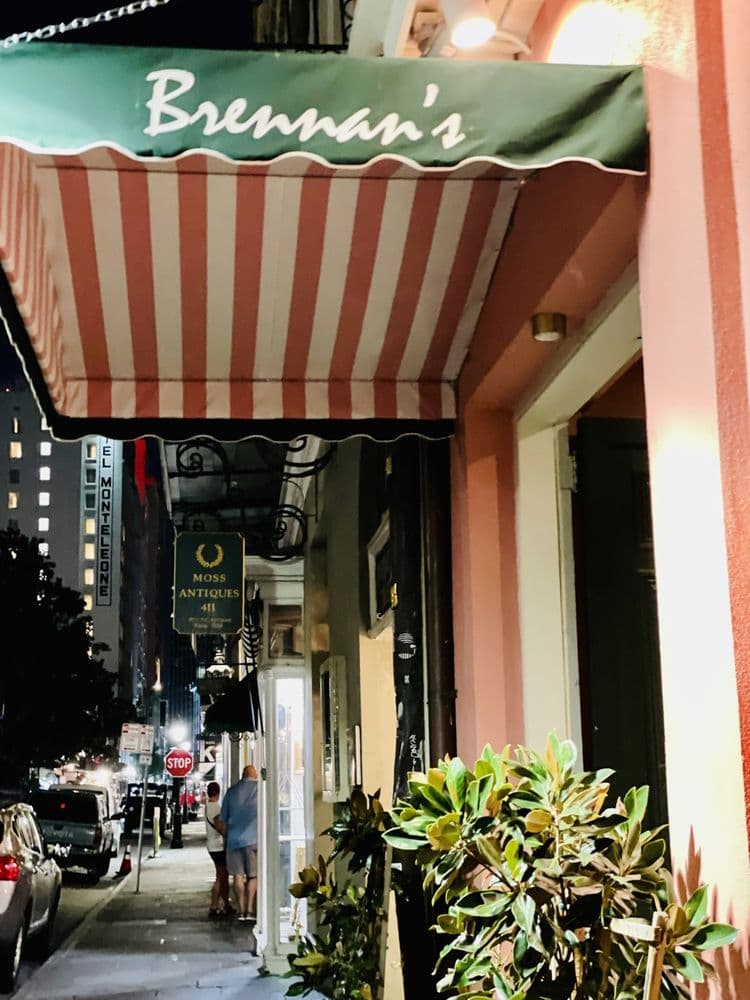
Known for inventing Bananas Foster, also offers various desserts.
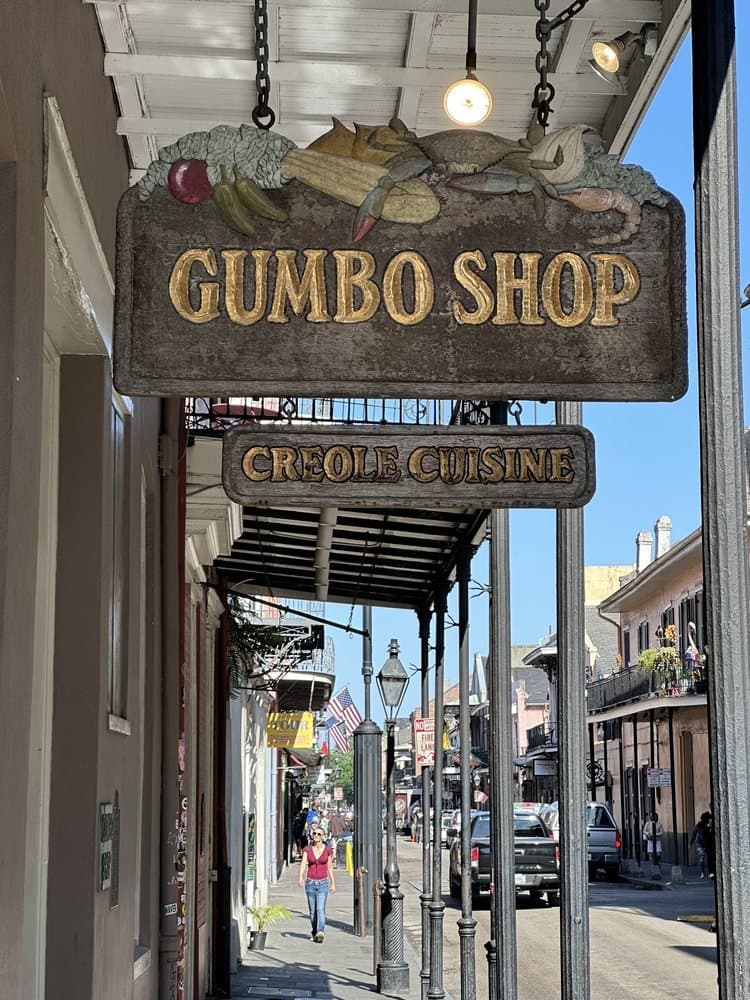
Gumbo Shop is especially renowned for its Gumbo Z'Herbes, a staple dish featuring a variety of greens and meats, perfect for those wanting to experience a classic New Orleans flavor.
Known for its blackened chicken jambalaya.
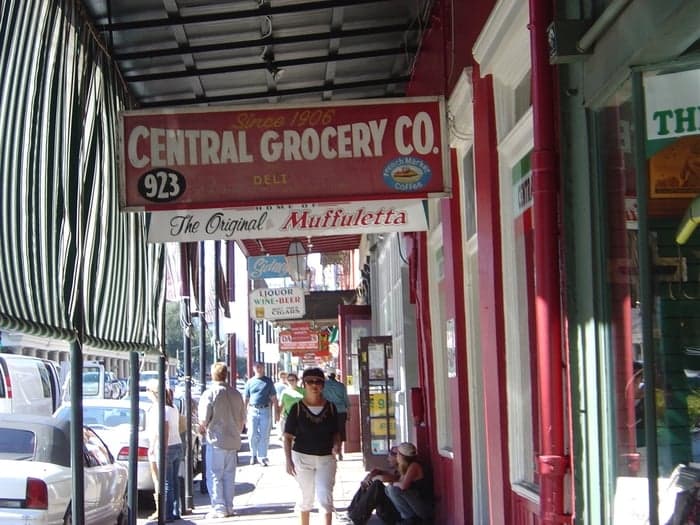
A popular spot for muffalettas.
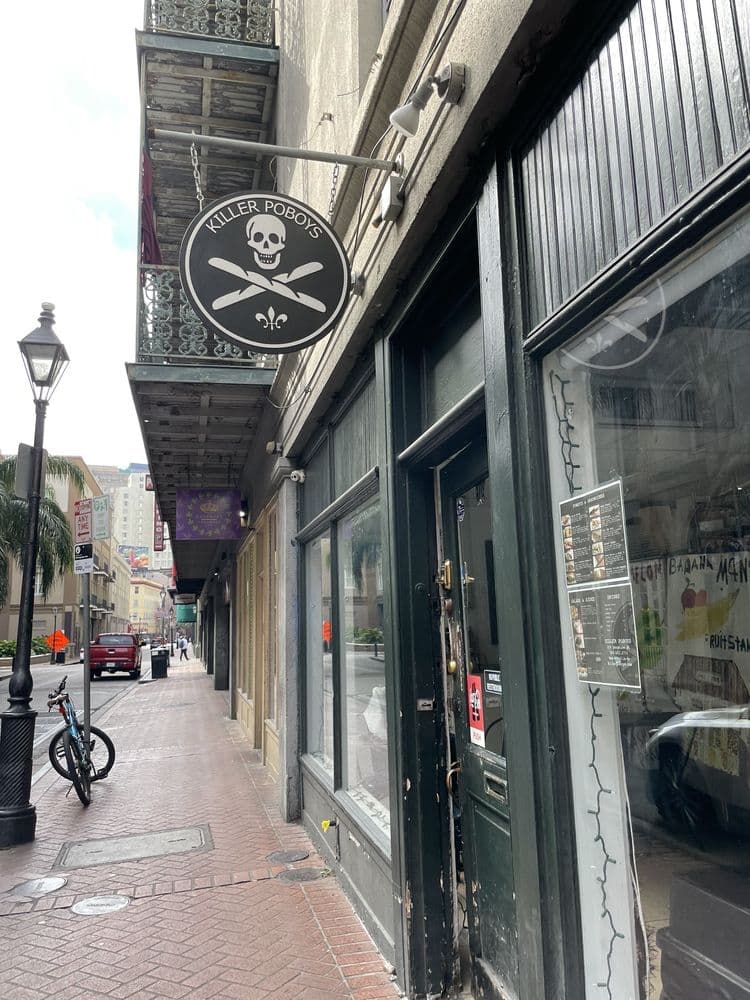
Renowned for its inventive take on the classic po-boy sandwich, infusing traditional recipes with modern and global flavors. This eatery is celebrated for its unique offerings like seared shrimp and pork belly po-boys, making it a must-visit for both locals and tourists seeking a taste of contemporary Creole cuisine.
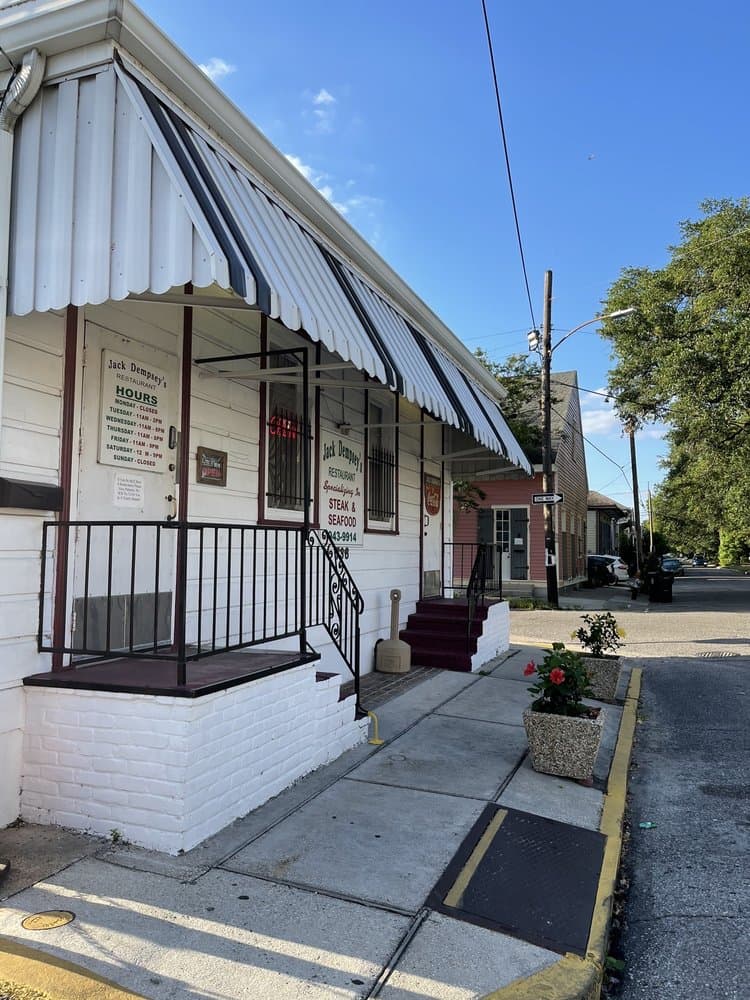
A beloved local eatery famed for its generous portions of classic seafood dishes, especially their signature fried seafood platters and stuffed bell peppers. This rustic spot offers a cozy, family-friendly atmosphere that captures the essence of New Orleans' culinary traditions.
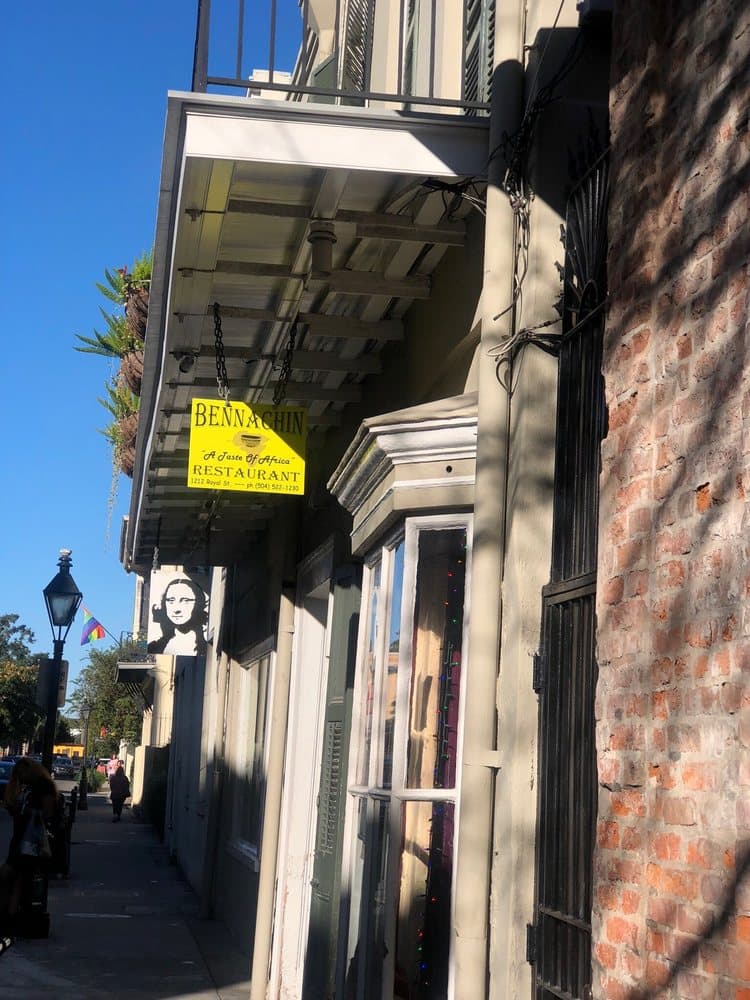
Renowned for its authentic West African cuisine, offering a unique taste of dishes like Jollof Rice and Yassa Chicken amidst the city's more traditional Cajun and Creole offerings. This cozy spot in the French Quarter draws locals and tourists alike with its hearty vegetarian options and a warm, inviting atmosphere.
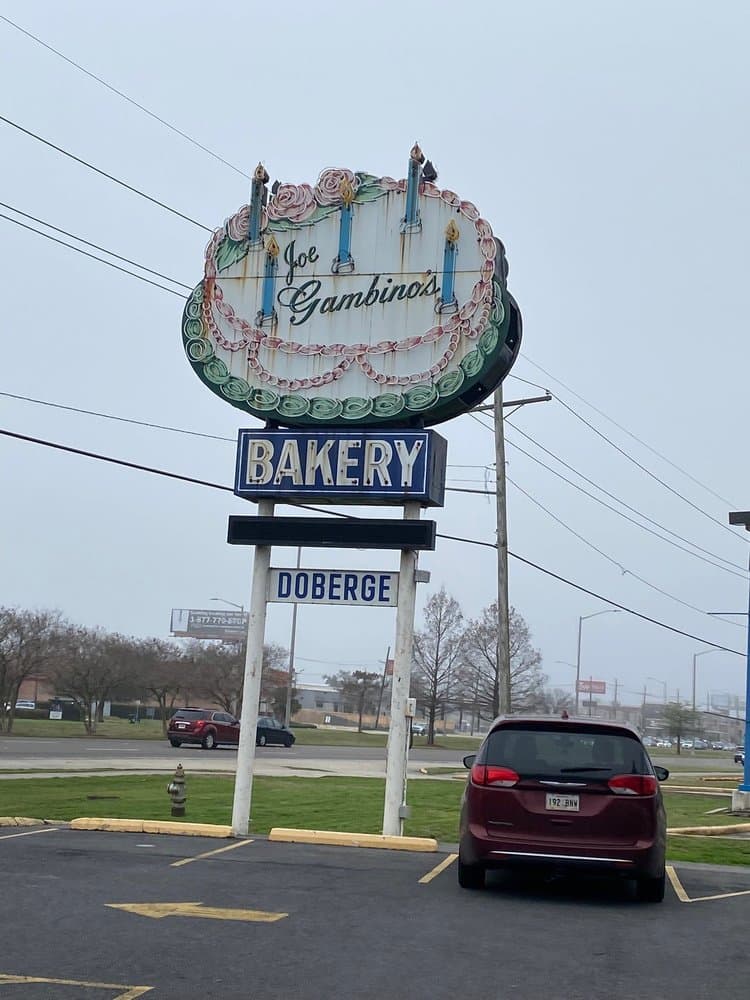
Joe Gambino's Bakery is a renowned establishment in New Orleans, celebrated for their exquisite Doberge cakes and traditional King cakes, both beloved treats capturing the essence of Mardi Gras festivities with each bite.
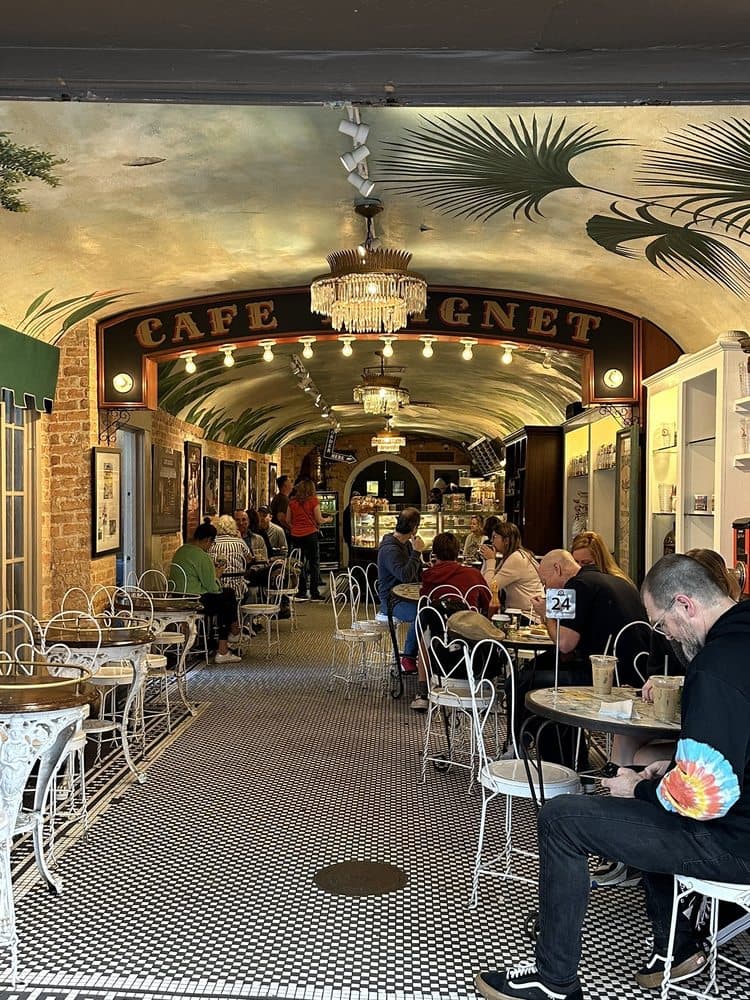
Cafe Beignet on Royal Street in New Orleans provides a charming French Quarter ambiance with live music and cozy courtyard seating. Renowned for its superior beignets and diverse café drinks, it's a favorite for locals and tourists alike.
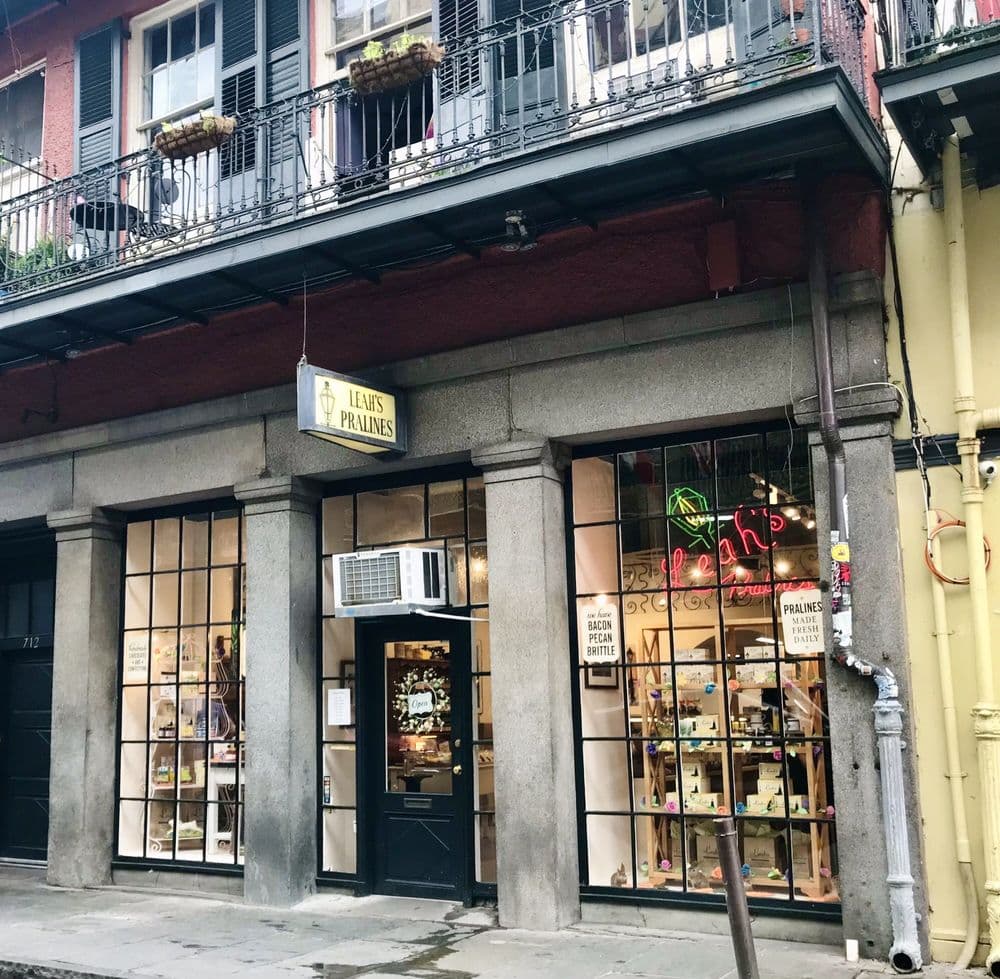
Founded in 1944 and renowned for their delectable pralines, featuring a perfect balance of creamy sweetness and nutty flavor. Their famous pralines, made using a cherished family recipe, are a must-try for visitors seeking an authentic taste of Southern indulgence.